Tree Planting
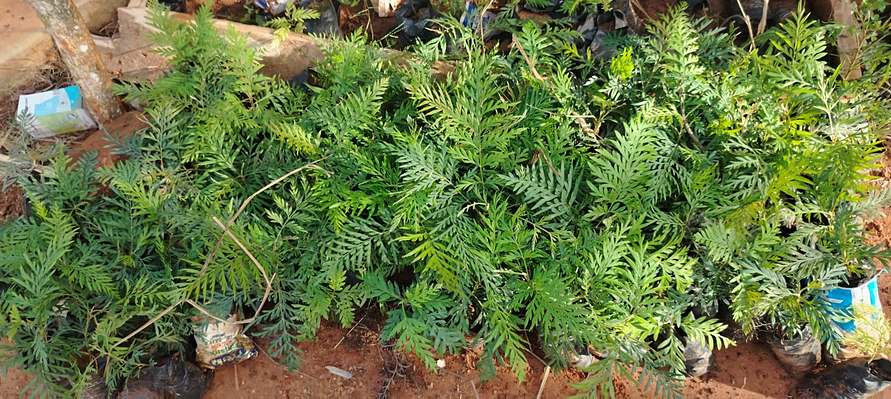
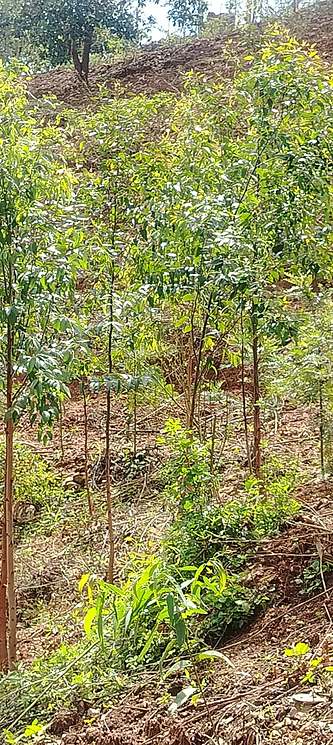
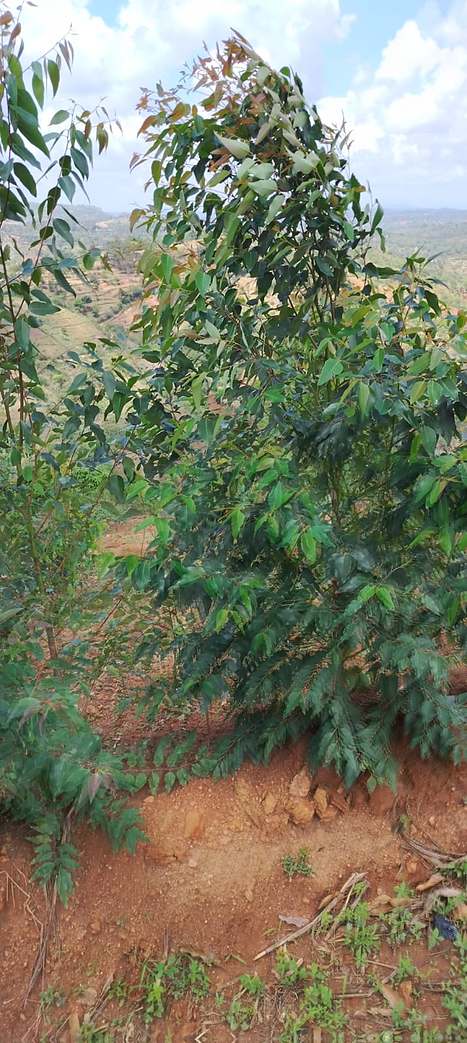
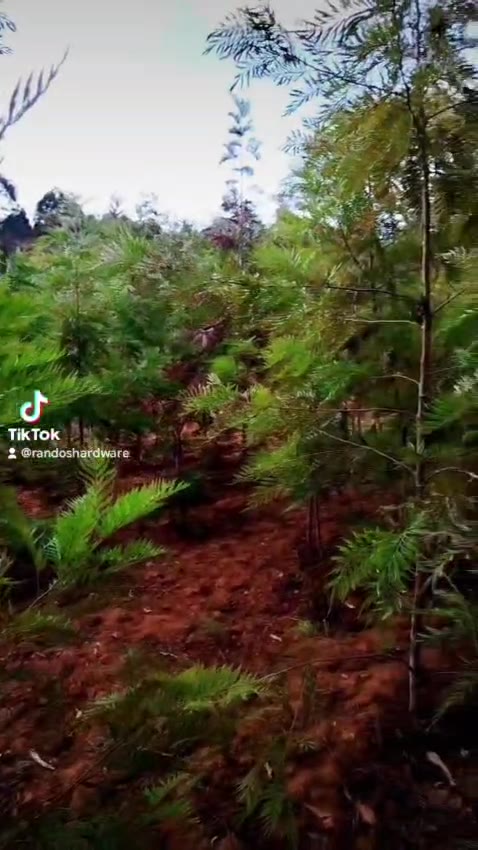
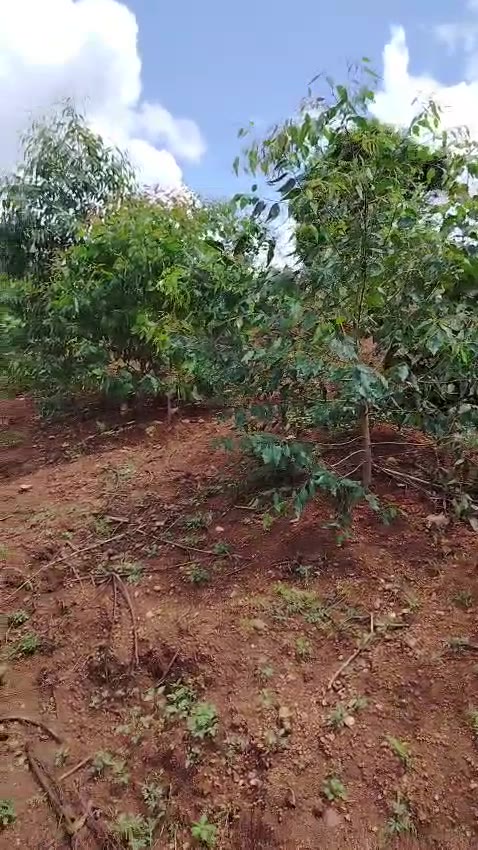
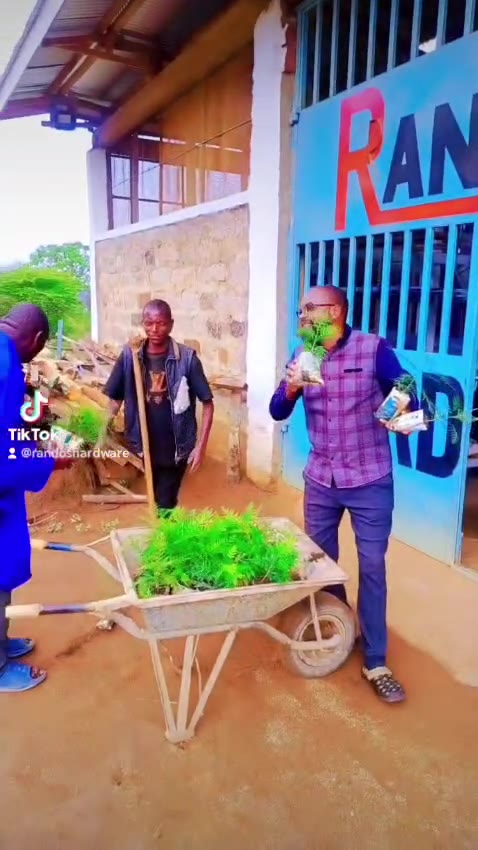
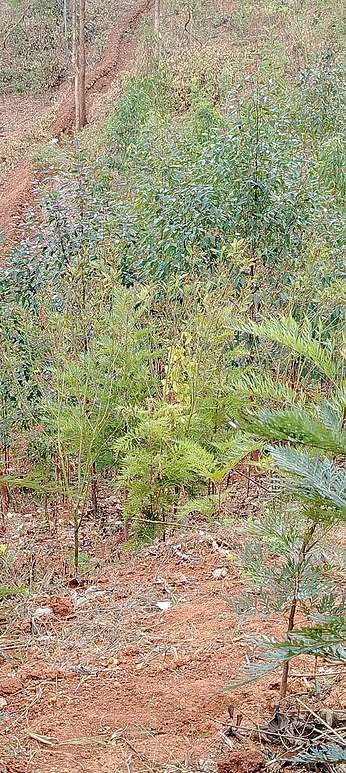
Our core work: seedlings sourced from community nurseries, planted with volunteers and host schools, then watered and protected through their first year.
See tree planting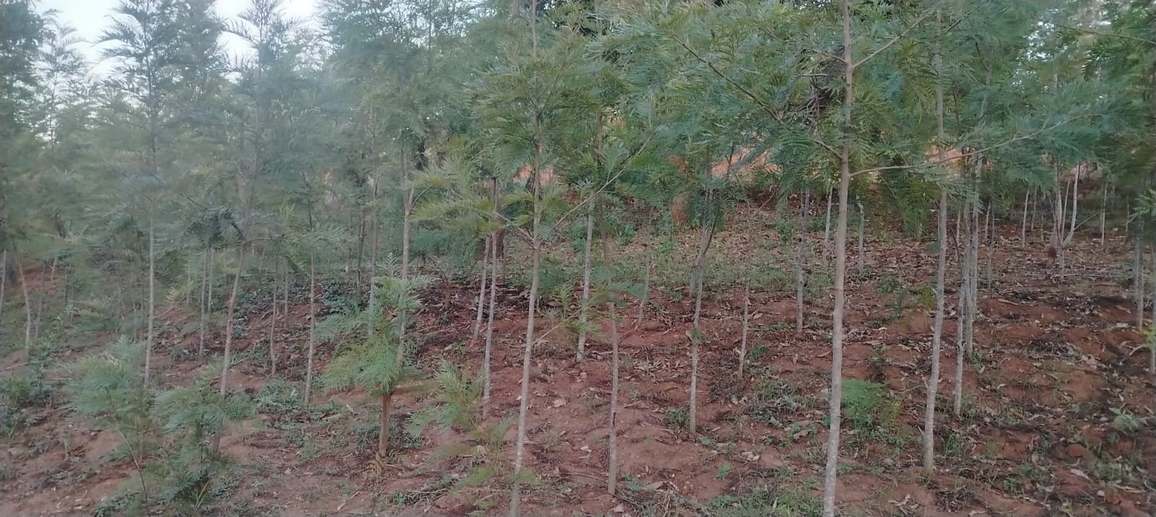
Randos Go Green is a Kenyan tree-planting and reforestation project — seedlings, planting days, and the aftercare that keeps young trees alive.
Randos Go Green is a Kenyan tree-planting and reforestation project. We raise seedlings, plant them with schools and communities, and care for them until they can stand on their own.
We publish only numbers we have counted ourselves, each with a date and method. See how we count.
Two programmes, one goal: more living trees where people and land need them.
Our core work: seedlings sourced from community nurseries, planted with volunteers and host schools, then watered and protected through their first year.
See tree planting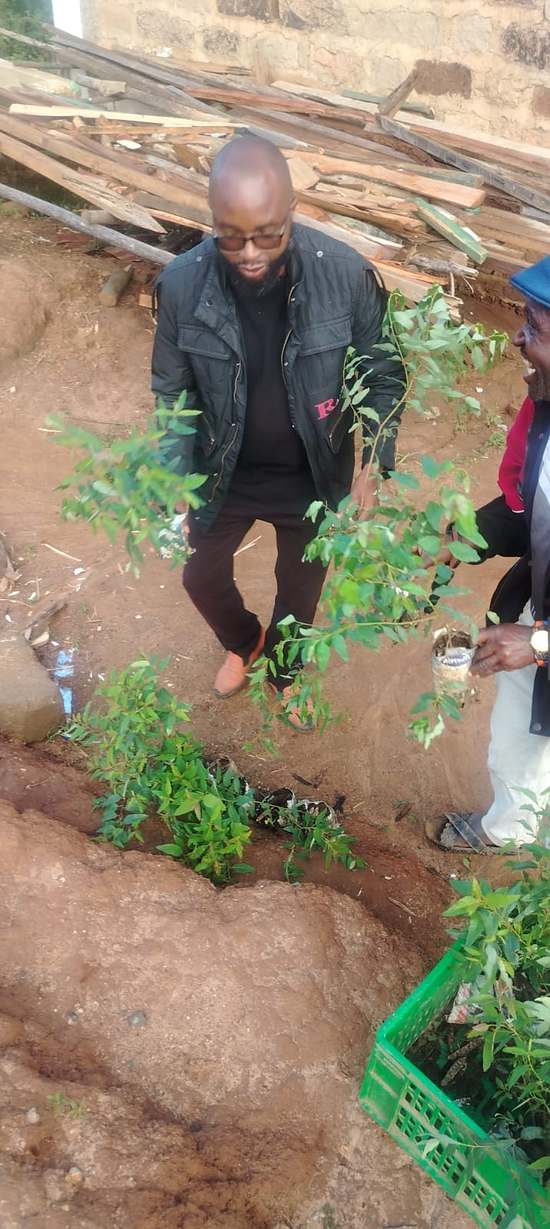
School visits, planting demonstrations and environmental clubs: the people side of reforestation, so trees survive because a community chose them.
See climate education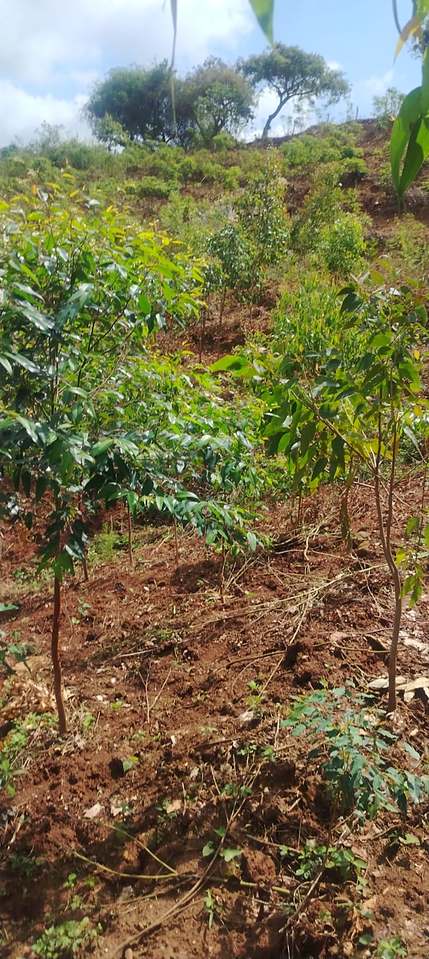
Featured field record
From your gift to a tree in the ground — and the proof it stayed there.
Choose a sponsorship and pay through the official channel shown on the donate page.
Seedlings go into the ground on a planting day, timed to the rains and recorded by site and species.
Follow-up visits check survival, losses are replaced, and counts are dated and published.
Your pledge reference links to the planting records, so you can see what your gift became.
Roots hold topsoil in place, and leaf litter feeds the ground instead of losing it to runoff.
Trees along rivers and springs slow floodwater, shade the source and keep it flowing longer.
School compounds and town edges become usable in the heat of the day.
Fruit and agroforestry species pay back the households and schools that care for them.
Four ways to take part — pick the one that fits you.
“I sponsored ten trees and two weeks later I could see the planting day on the field records — the place, the species, the count. That is why I gave again.”
“The pupils water the seedlings every morning before class. Our school trees have become part of who we are.”
“I came for one planting day and stayed for the season. The briefing was clear, the site was ready, and nobody stood around wondering what to do.”
“Our church group of fifteen signed up together. Randos had the seedlings, the tools and the tea waiting — we just brought the hands.”
“We wanted a CSR day that was more than a photo. They walked us round the site, told us the survival plan, and our staff actually learnt something.”
“Tracking my pledge was easy — typed the reference and saw my trees had been planted. Simple and honest.”
“The environmental club visit changed our compound. The learners chose the species, dug the holes and now guard those trees like their own.”
“They planted fruit trees along our boundary. In a few years the children will eat mangoes from trees they put in the ground themselves.”
“I asked on WhatsApp whether my ten trees would really be planted. They sent me the date, the site and later the photos. That is accountability.”
“As a youth group we wanted work, not a lecture. We planted six hundred seedlings in a morning and were shown how each one is checked after.”
“The riverbank trees behind our market used to wash away every long rain. Two seasons in, the water still comes but it does not carry our soil with it.”
“Our alumni planted a school plot for the students who come after us. The field record with our batch name on it is something we are proud of.”
Talk, demonstration, planting — the format we use for school visits, and why the learners do the work themselves.
Tree counts are easy to inflate and hard to check. Our answer is dated field records anyone can read — including the uncomfortable ones.
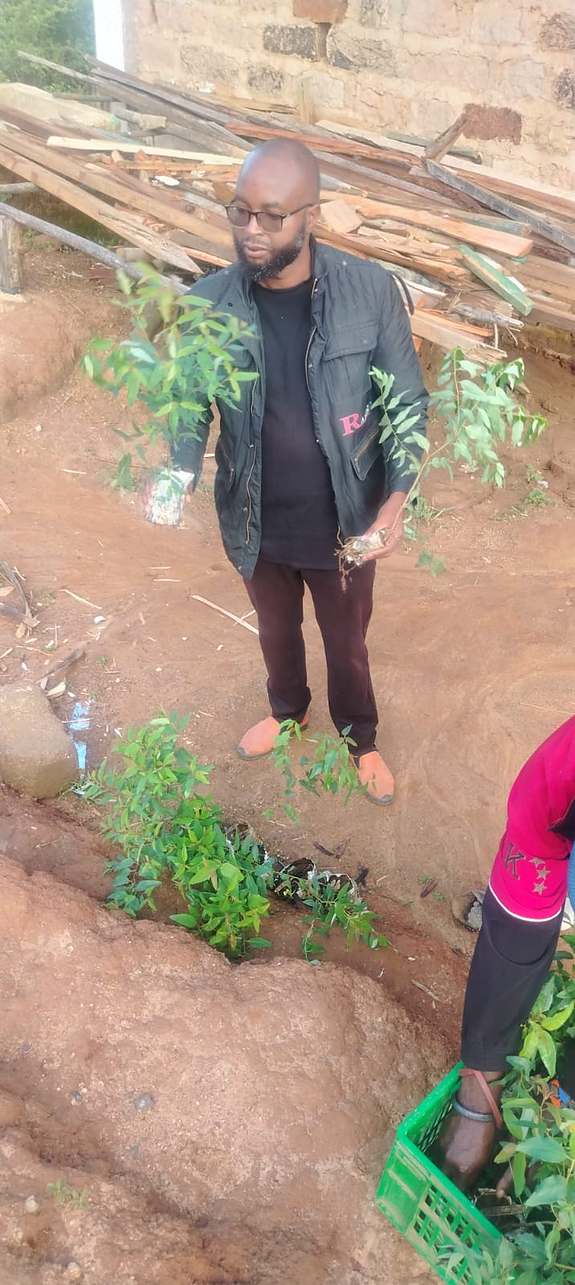
Briefing, holes, seedlings, water, records — a realistic walkthrough of the morning volunteers sign up for.
Choose a sponsorship on the Plant a tree page, follow the payment instructions shown there, and keep your pledge reference. We allocate sponsored seedlings to the next planting day and publish dated updates so you can see the work happen.
Losses happen — drought, browsing animals and poor ground all take seedlings. Sponsored trees that fail within their first year are replaced in the following rain window at no extra cost, and the field record for the site shows the losses and the replacements honestly.
We plant on agreed sites such as school grounds, community land, riverbanks and farms. Sites are confirmed with the land owner or host institution before any planting day. Current sites are listed on the Projects and Impact pages as they are confirmed.
Each planting day is recorded with the site, species and seedling count. Follow-up visits check survival and losses are replaced where needed. Published figures always carry a date and the method used to count.
Closed shoes, a hat, drinking water and clothes you do not mind getting muddy. We provide the seedlings, tools and briefing. Under-18s are welcome with a guardian's consent.
Yes. Schools can request a planting day or an environmental club visit through the Get Involved page. Tell us your school, level and number of learners, and we will plan the visit with you.
Yes — companies, churches, clubs and county teams can arrange a dedicated planting day through the Partner option on the Get Involved page. We match a site to your group size, run the briefing, and publish the field record afterwards.
The host does. Trees planted on a school's or community's land belong to that school or community — the shade, fruit and soil protection are theirs. Our role is to plant well, keep the records and check the trees survive.
No. We have no verified methodology for carbon claims, so we make none. What we publish is what we can show: dated field records of sites, species, counts and survival checks.
Use the Plant a tree page. Donations go only to the official payment channel shown on that page — we never ask for payment through personal numbers shared elsewhere. Your pledge reference lets you follow what your gift planted.
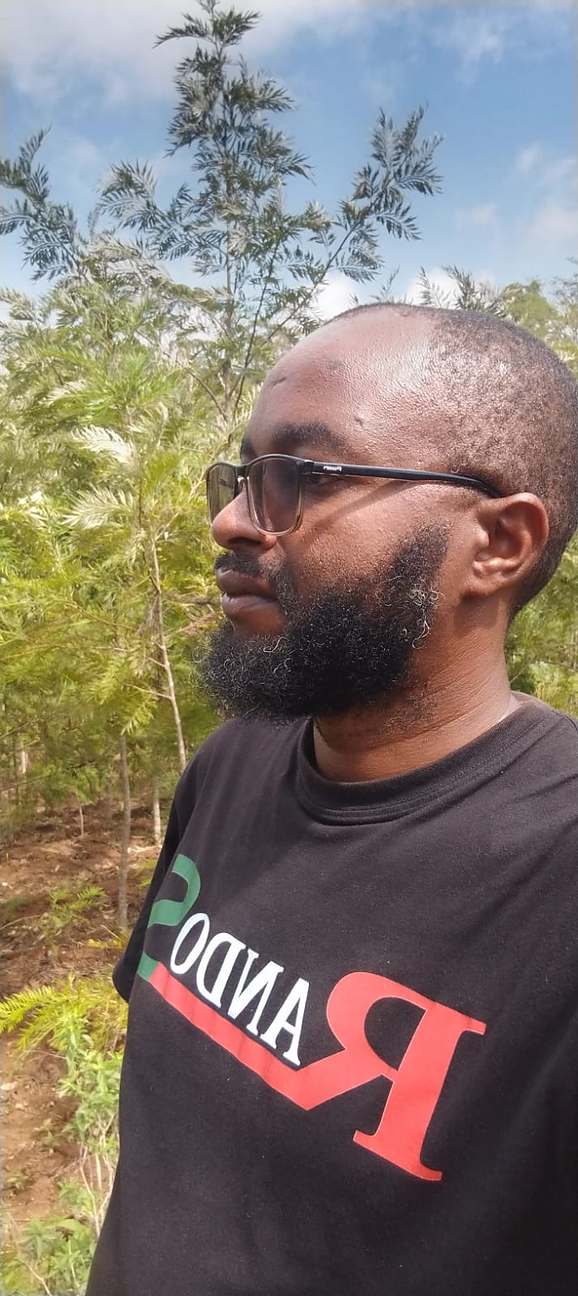
Real photos from our nurseries and planting sites — no stock imagery.