
Projects / Climate Education
Climate Education
School visits, planting demonstrations and environmental clubs: the people side of reforestation, so trees survive because a community chose them.
- Place
- Partner schools and community groups
- Goal
- Run planting days, school visits and practical workshops so each tree planted comes with the knowledge to keep it alive.
- Seedlings planted
- 0
- Started
- 2026-01-12
- Status
- Ongoing
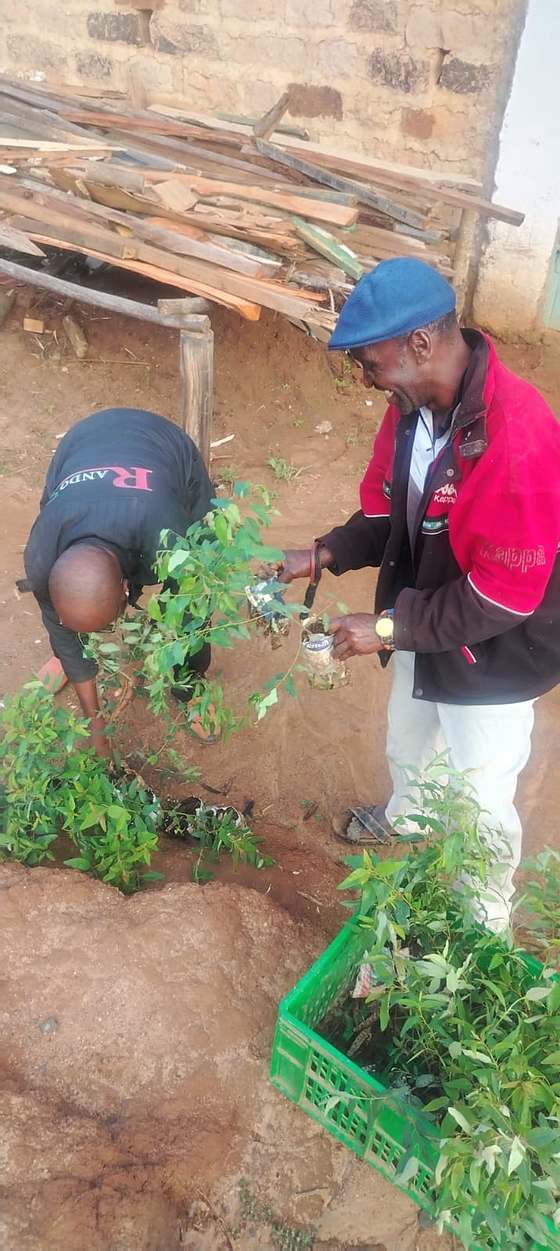
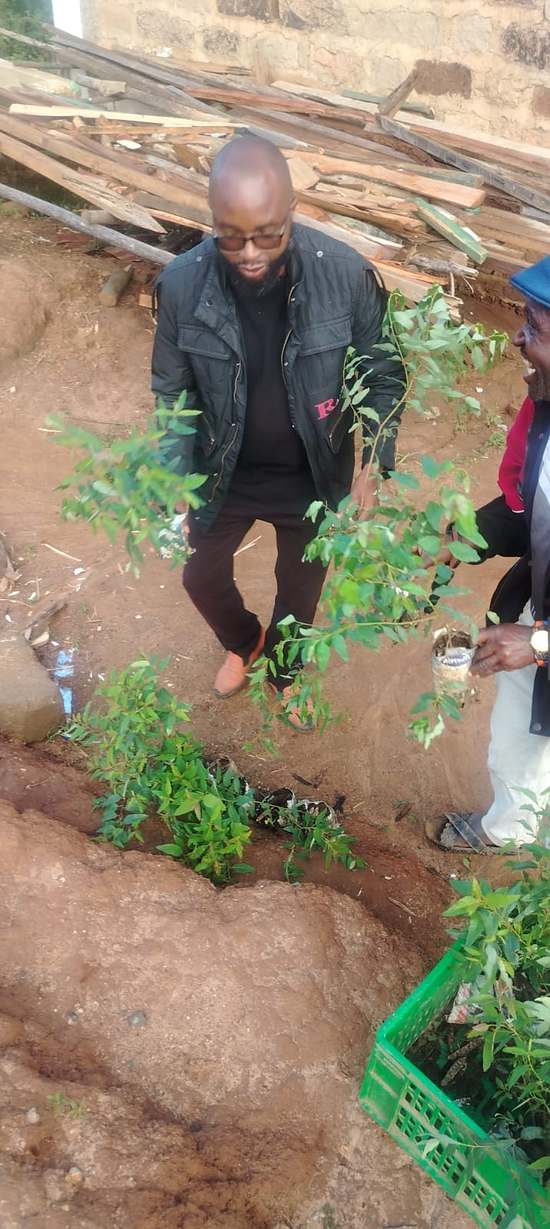
A planting day works best when it is also a lesson. Trees survive when the people around them understand what they need — water in the first year, protection from grazing and feet, and someone who notices trouble early. That is what this programme teaches, on sites and in classrooms. School visits run as a half-day: a short talk, a demonstration planting, then hands-on work where the learners plant their own plot. Afterwards the plot is handed to an environmental club or class, with a simple care routine and a named teacher or patron as our contact. For community groups, churches and companies we run practical sessions rather than lectures — mulching, watering schedules, protecting young trees, and how to read the early signs that a seedling is failing. Groups that plant with us leave knowing how to keep their own trees alive. Everything taught here ties back to the field records. When we check a school plot a season later, the learners see the survival figures from their own site — the lesson that trees are easy to plant and hard to keep, taught with their own trees as the evidence. Schools can book a visit through the Get Involved page.
Field updates
Dated records for this project, newest first.
-
Programme record opened
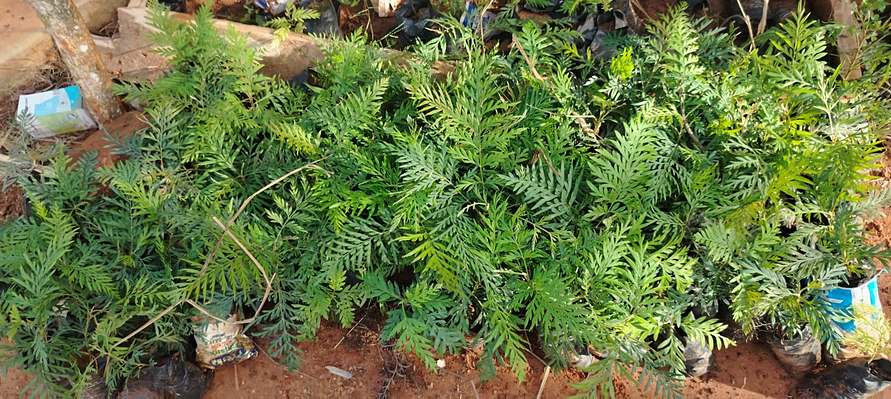
The public record for school visits and environmental clubs is now live. Earlier 2026 visits are backfilled below; new visits, clubs and workshops will be dated and added as they happen.
-
Two environmental clubs up and running
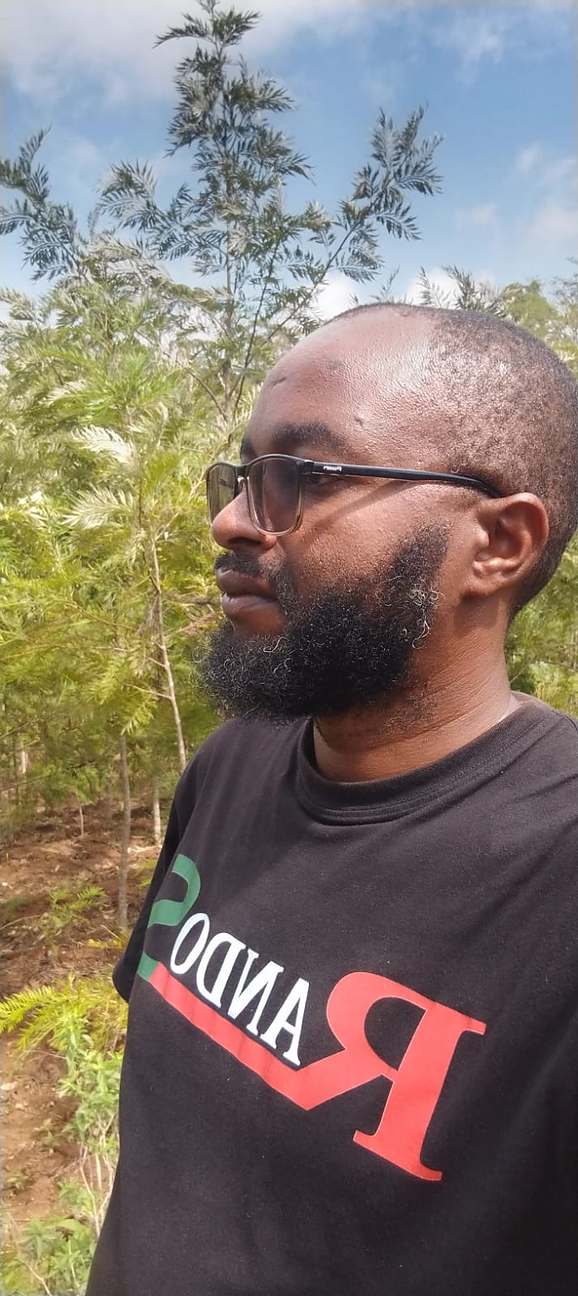
Both April planting schools now run weekly environmental clubs with named patrons. Each club keeps a care rota for its plot and a simple record card — the same counting we use on our own follow-up visits.
-
First school visits held
Half-day visits ran at our two partner schools: a short talk on what seedlings need, a demonstration planting, then learners replanting gaps in their own plots. Both visits ended with a handover of the care routine to the school clubs forming up.