
Impact
Only numbers we have counted ourselves — each with a date and the method used. Where we have not measured yet, the counter honestly sits at zero.
"Trees planted" and "trees surviving" are shown separately because they are different things — survival is only published when it has been measured on a follow-up visit.
Where we work
Project pins at area level — exact private plots are not published.
- Tree Planting — Sites across Kenya
- Climate Education — Partner schools and community groups
How a number is counted
Every figure above went through the same steps before it was allowed on this page.
-
Recorded on site
Each planting day is written up on the spot — site, date, species and the seedling count that went into the ground.
-
Checked later
Follow-up visits through the first year count surviving trees by hand, per site — never estimated from the planting figure.
-
Published with a date
Figures go public only with the date they were counted and the method used. Unmeasured counters stay at zero.
Latest field updates
Dated evidence from every project, newest first.
-
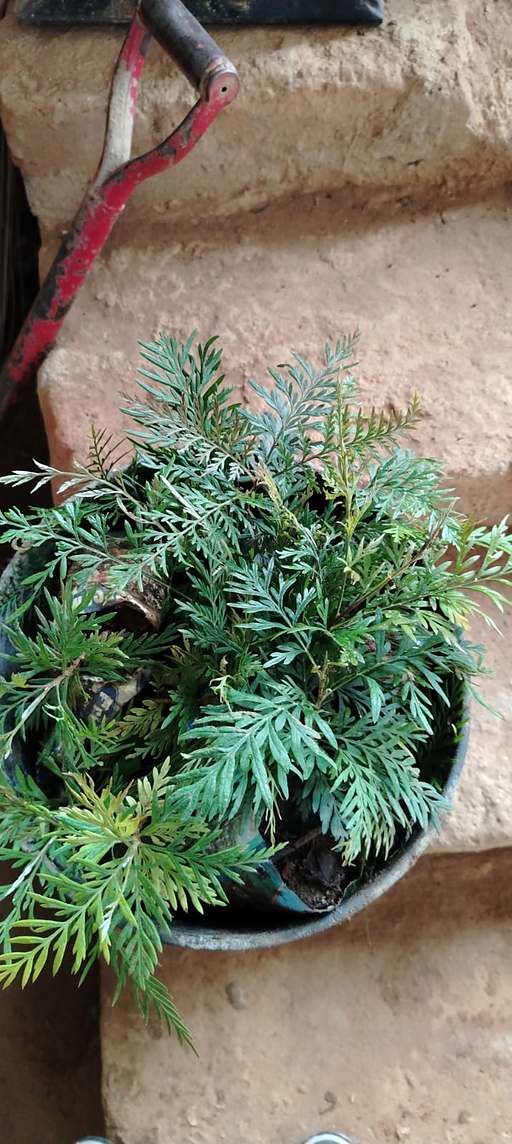
Tree Planting — Programme record opened
The public field record for the tree-planting programme is now live on this site, backfilled with the dated entries from both 2026 rain windows below. Every future planting day and survival check will be added the same way — newest first, nothing edited quietly.
-
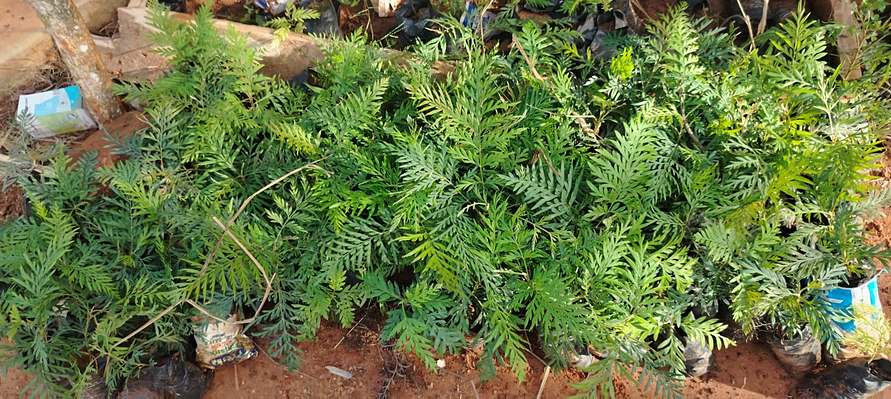
Climate Education — Programme record opened
The public record for school visits and environmental clubs is now live. Earlier 2026 visits are backfilled below; new visits, clubs and workshops will be dated and added as they happen.
-
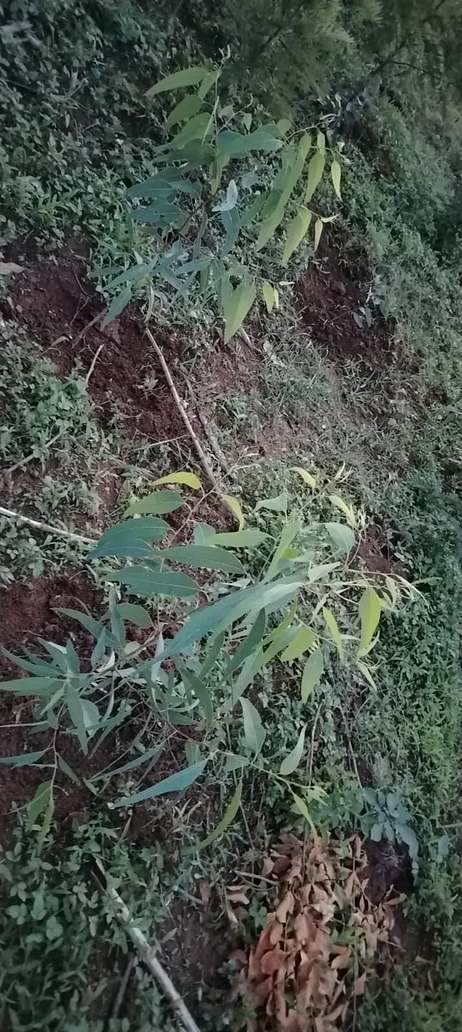
Tree Planting — Third planting day of the short rains
640 seedlings went in at a community riverbank site — mostly croton and waterberry for the wet ground. An early check on the October school sites the same week counted 1,090 of 1,280 seedlings standing; the newest 640 will be measured on the next visit.
-
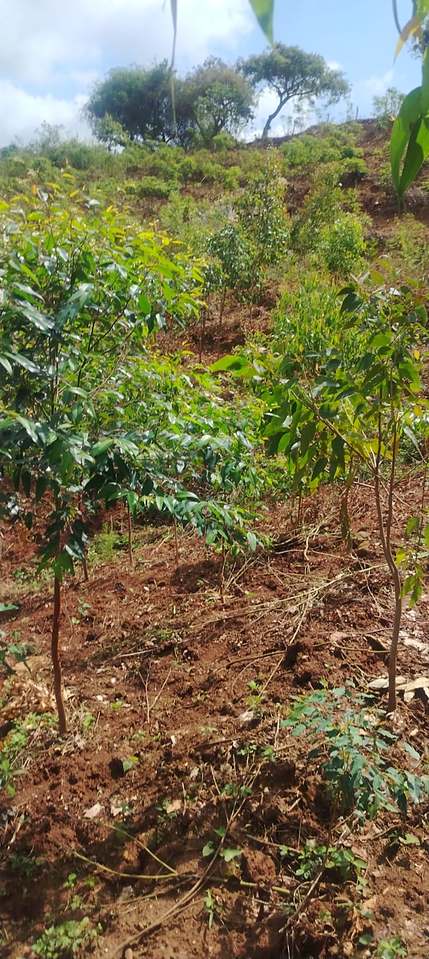
Tree Planting — Short-rains window opens
The second planting window of 2026 began with two planting days over two Saturdays: 1,280 seedlings across two school sites, planted by 60 volunteers from three partner groups. Species were matched per site — shade and fruit trees for the school compounds.
-

Climate Education — Two environmental clubs up and running
Both April planting schools now run weekly environmental clubs with named patrons. Each club keeps a care rota for its plot and a simple record card — the same counting we use on our own follow-up visits.
-
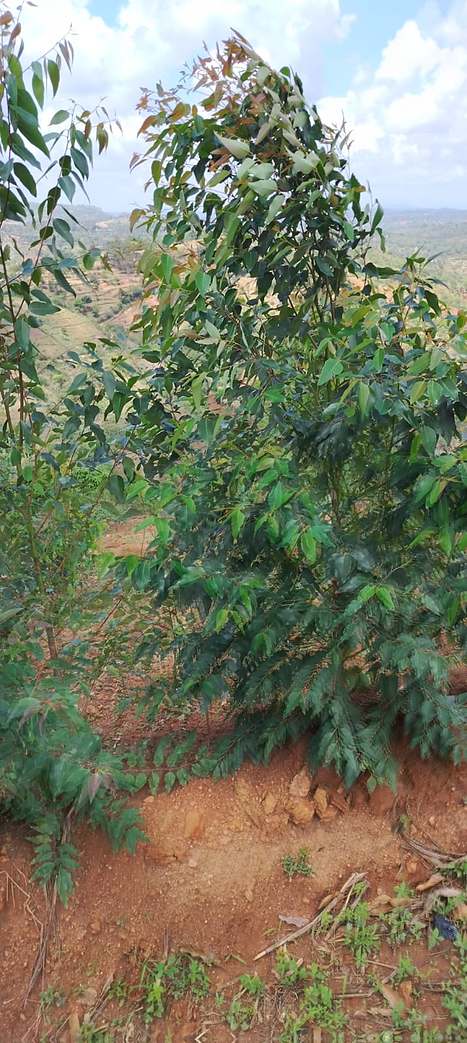
Tree Planting — First survival check on the April sites
Follow-up visits to both April sites counted 1,030 of 1,220 seedlings alive — about 84%. The 190 losses, mostly to dry spells between rains, are marked for replacement in the coming short-rains window at no cost to sponsors.
-
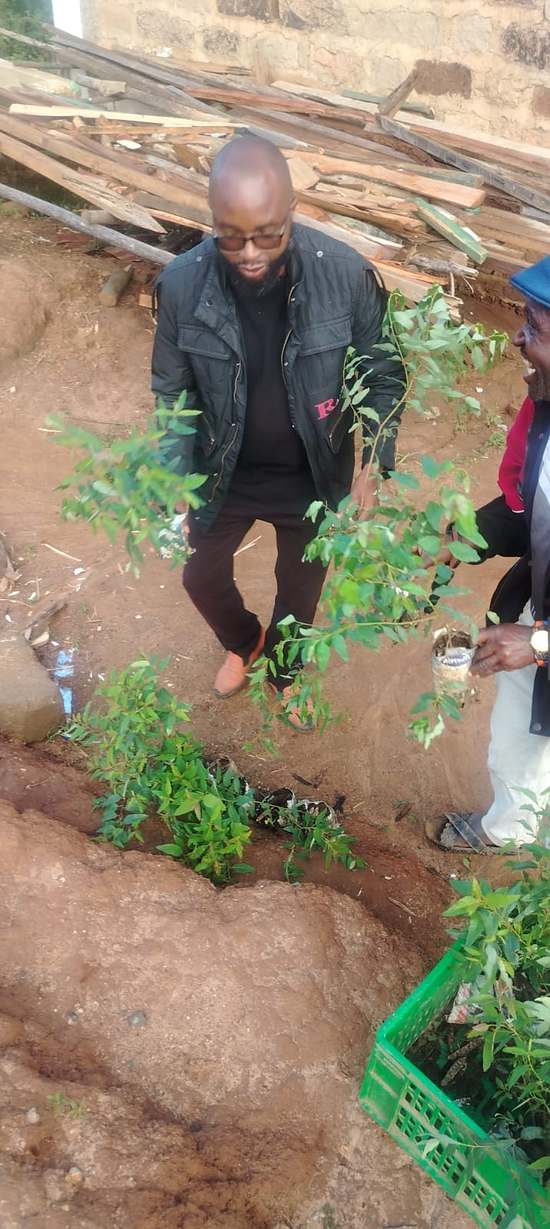
Climate Education — First school visits held
Half-day visits ran at our two partner schools: a short talk on what seedlings need, a demonstration planting, then learners replanting gaps in their own plots. Both visits ended with a handover of the care routine to the school clubs forming up.
-
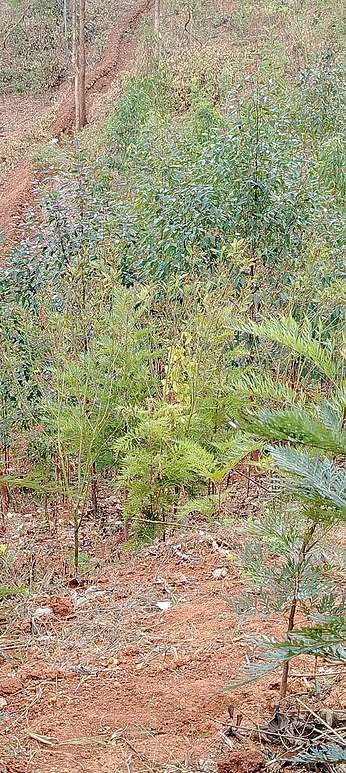
Tree Planting — First planting day — long rains
Randos Go Green's first planting window put 1,220 seedlings in the ground across two partner school sites: croton, markhamia and mango, planted with learners, teachers and 35 volunteers. The field journal opens with this entry.
How donations are used
Each sponsored tree covers a seedling, transport to site, the planting day, and one year of aftercare — watering, protection and replacement of losses. Detailed figures are published once the project's accounts confirm them.
Reports will be posted here as PDF downloads once the first reporting period closes.
What we do not claim
We make no carbon or offset claims, because we have no verified methodology for them. We do not inflate tree counts, and we name partners only with their written permission.
Plant a tree