
Projects / Tree Planting
Tree Planting
Our core work: seedlings sourced from community nurseries, planted with volunteers and host schools, then watered and protected through their first year.
- Place
- Sites across Kenya
- Goal
- Raise and plant indigenous, fruit and agroforestry seedlings with schools and community groups, timed to the rains.
- Species
- Croton megalocarpus, Markhamia lutea, Mango (local)
- Seedlings planted
- 3,140
- Started
- 2026-01-12
- Status
- Ongoing
Planting follows the long and short rains. Before any planting day we agree the site with the land owner or host institution, choose species suited to the soil and rainfall, and plan who waters the young trees. A site only goes ahead when all three are settled — land, species and care. Seedlings come from community nurseries near the planting sites, which keeps transport short and money with local growers. Every batch is hardened off before travel and counted twice — once at packing and again on site, so the field record reflects what actually went into the ground. Planting days are open to volunteers, schools, companies and church groups. The team runs the briefing and works alongside whoever shows up; hosts and neighbours are encouraged to join so the site has caretakers from day one. After planting, the work shifts to aftercare. Follow-up visits check survival through the first year, losses are replaced in the next window, and every visit is dated and written into the record below — including the visits where the news is bad.
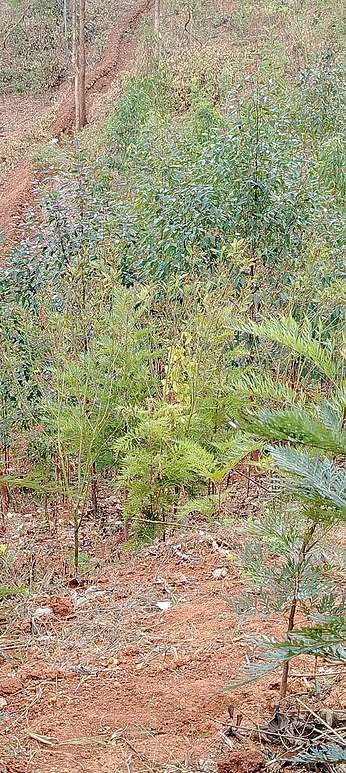
Field updates
Dated records for this project, newest first.
-
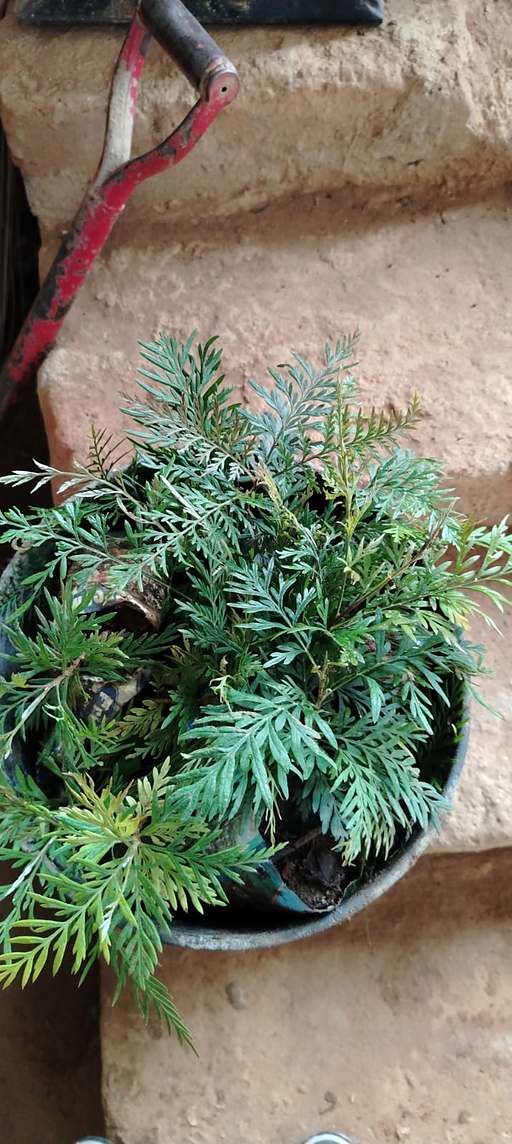
Programme record opened
The public field record for the tree-planting programme is now live on this site, backfilled with the dated entries from both 2026 rain windows below. Every future planting day and survival check will be added the same way — newest first, nothing edited quietly.
-
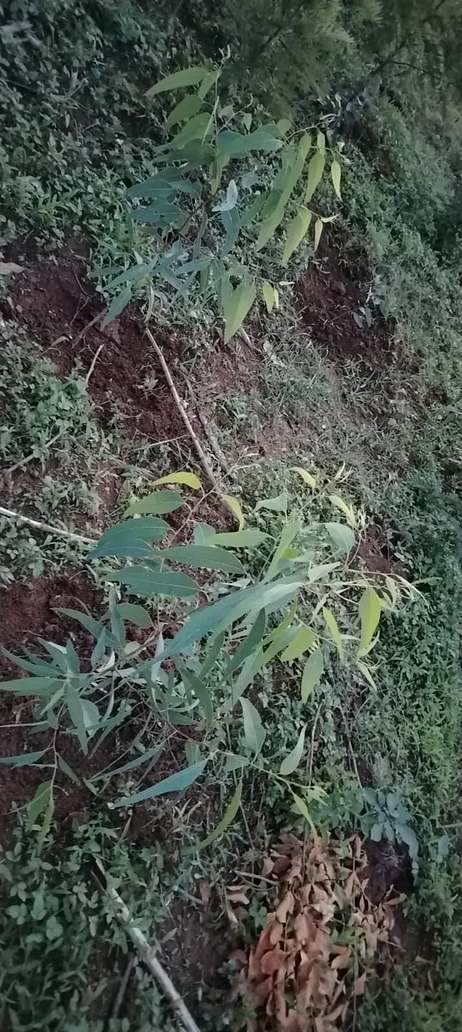
Third planting day of the short rains
640 seedlings went in at a community riverbank site — mostly croton and waterberry for the wet ground. An early check on the October school sites the same week counted 1,090 of 1,280 seedlings standing; the newest 640 will be measured on the next visit.
-
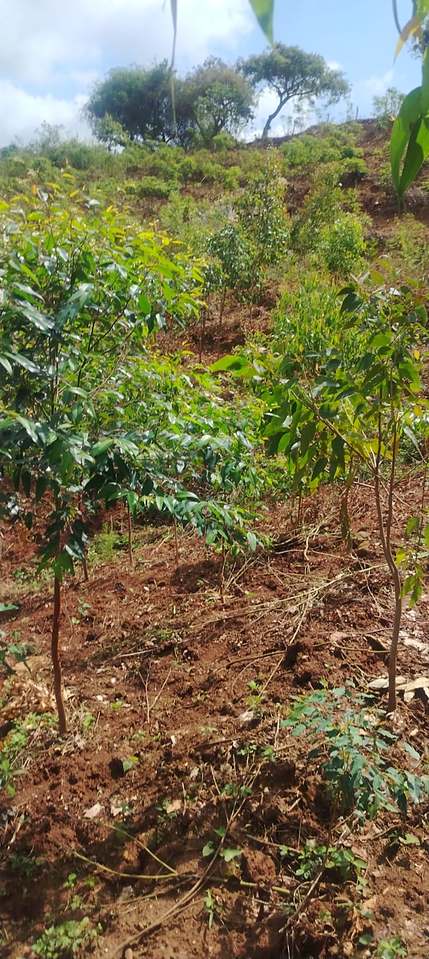
Short-rains window opens
The second planting window of 2026 began with two planting days over two Saturdays: 1,280 seedlings across two school sites, planted by 60 volunteers from three partner groups. Species were matched per site — shade and fruit trees for the school compounds.
-
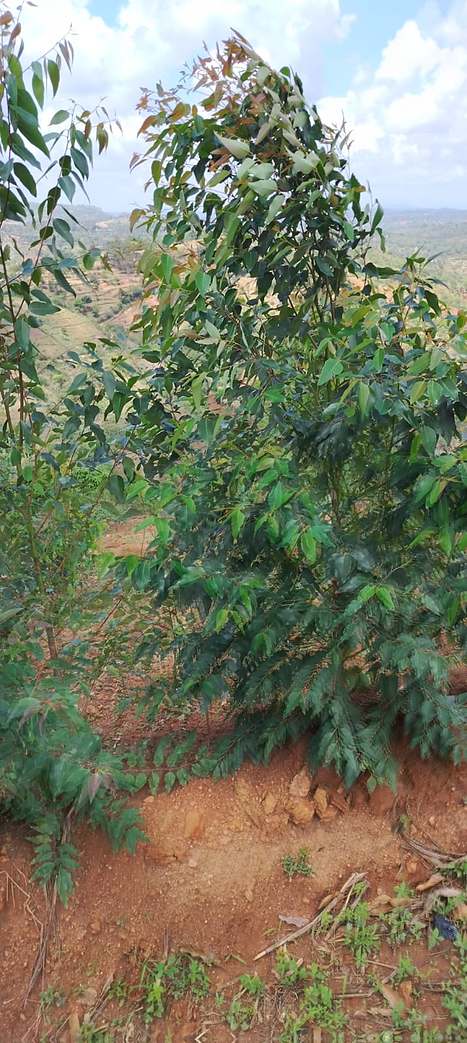
First survival check on the April sites
Follow-up visits to both April sites counted 1,030 of 1,220 seedlings alive — about 84%. The 190 losses, mostly to dry spells between rains, are marked for replacement in the coming short-rains window at no cost to sponsors.
-
First planting day — long rains
Randos Go Green's first planting window put 1,220 seedlings in the ground across two partner school sites: croton, markhamia and mango, planted with learners, teachers and 35 volunteers. The field journal opens with this entry.
Species on this site
| Common name | Swahili | Scientific name | Type |
|---|---|---|---|
| Croton | Musine | Croton megalocarpus | Indigenous |
| Nile tulip tree | Mbwebwe | Markhamia lutea | Indigenous |