
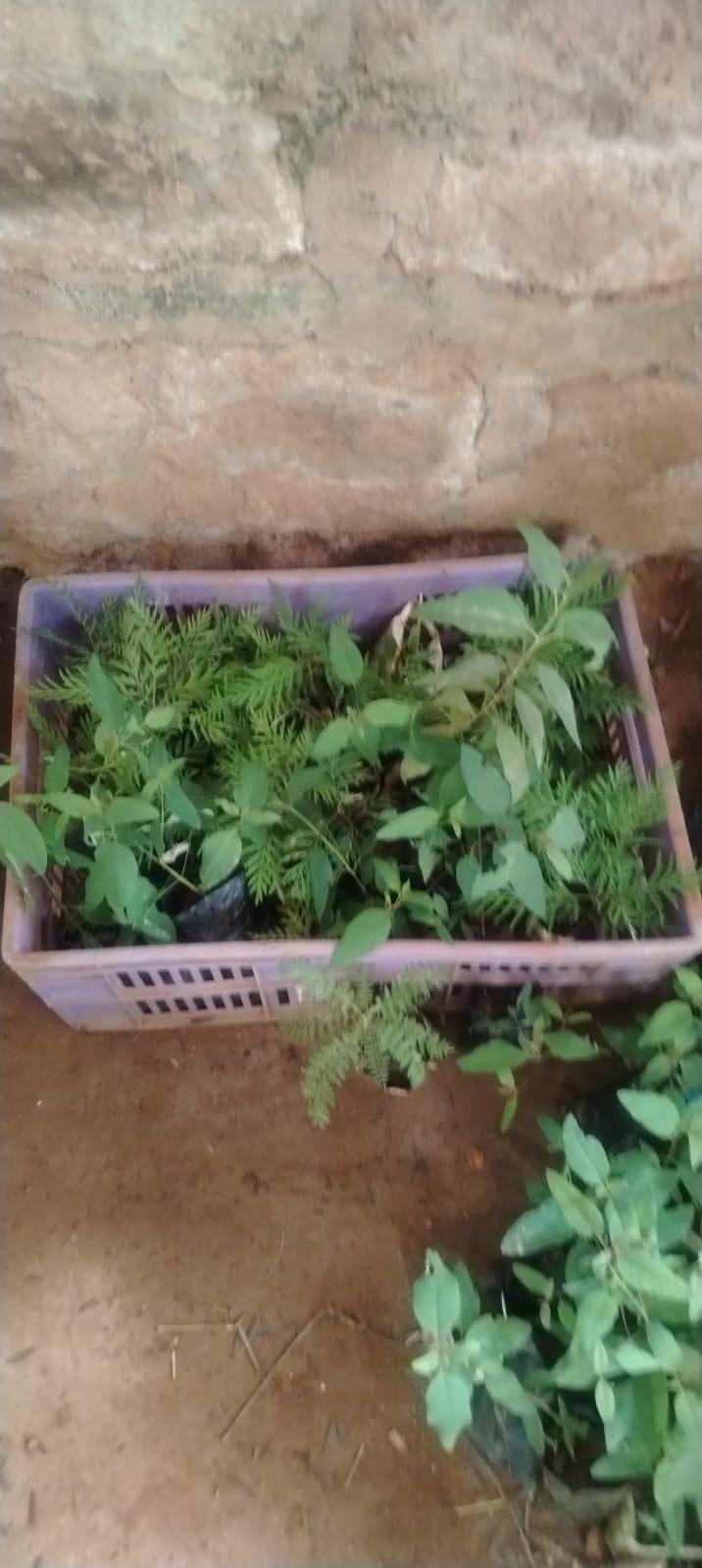
Tree planting in Kenya follows the long and short rains. The long rains run roughly March to May, the short rains October to December, and those windows — not the office calendar — decide when seedlings go into the ground. A seedling planted into dry, hard soil is a seedling lost, so we plan backwards from the weather.
In the weeks before a planting window, three things happen at once. First, sites are confirmed with their hosts — a school, a land owner or a community group signs off on the plot, the species list and the care arrangement. Second, the seedlings are checked: only stock that has reached planting size and been hardened off makes the trip. Third, volunteers are briefed on the site, the schedule and what to bring.
Site confirmation is the slowest part, and deliberately so. A rushed agreement is how trees end up planted where nobody waters them. We would rather carry a site over to the next season than plant it before the host is ready. Every site we plant has a named person or group responsible for the young trees after we leave.
Species are matched to each site rather than ordered in bulk. A riverside plot gets water-loving indigenous trees; a school compound gets shade and fruit trees the learners will actually use; a farm boundary gets agroforestry species that pay back the household. The species table on the Projects page shows the current list.
Schools and groups that want a planting day in the coming season can register interest now — we plan sites in the order requests arrive, and early requests get the first slots once the rains set in.